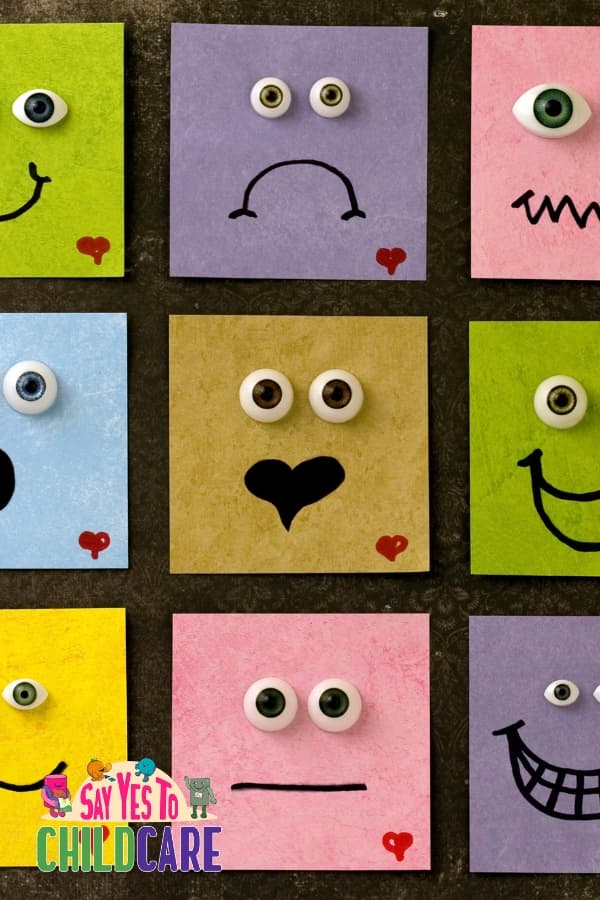
Why Emotional Regulation and Following Directions Matter More Than Letter Tracing in Early Childhood
When we think about early childhood education, many often picture little ones practicing their letters or counting numbers. While academic skills like letter tracing and math are important down the road, research and experience show that сэтгэл хөдлөлийн зохицуулалт and зааврыг дагаж байна are even more critical skills for young children to develop first.
What Is Emotional Regulation, and Why Does It Matter?
Emotional regulation is the ability to understand, manage, and express feelings in a healthy way. For infants, toddlers, and preschoolers, this means learning how to calm down when upset, share feelings with words, and cope with frustration. These skills are foundational for healthy relationships, social success, and overall well-being.
Children who can regulate their emotions are better equipped to focus, learn, and adapt to new situations. Without these skills, even the most eager learners can struggle to succeed academically or socially.
Following Directions: More Than Just Listening
Following directions might sound simple, but it’s actually a complex skill that involves attention, memory, impulse control, and understanding social cues. When children learn to follow simple instructions, they are building executive function skills that support problem-solving and independence.
This ability helps children transition smoothly between activities, cooperate with peers and teachers, and stay engaged in learning experiences.
Why These Skills Should Come Before Letter Tracing and Math
Early childhood educators and child development experts agree: children must have a strong foundation in emotional and behavioral skills before formal academics can really take root.
Ready to Learn: Emotional regulation and the ability to follow directions prepare children to be “ready learners.” When children feel safe and in control of their emotions, they are more open to exploring new concepts.
Better Classroom Behavior: Children who can manage their emotions and listen carefully tend to have fewer behavior challenges, creating a better environment for everyone to learn.
Stronger Long-Term Success: Studies link strong self-regulation and executive function skills in early childhood with higher academic achievement, better social skills, and even improved health later in life.
How Caregivers Can Support These Skills
Parents and teachers can foster emotional regulation and following directions through everyday routines:
Model Calm and Clear Communication: Show children how to name feelings and solve problems calmly.
Use Simple, Consistent Instructions: Give clear, manageable directions and praise children when they follow them.
Practice Turn-Taking and Patience: Games, group activities, and storytime can build skills like waiting, sharing, and listening.
Say Yes To Childcare’s Commitment
At Say Yes To Childcare, we prioritize training and resources that help caregivers support these essential early skills. We believe that fostering emotional regulation and the ability to follow directions sets the stage for all future learning—academic or otherwise.
By focusing on these foundations, we are helping children grow not just as learners, but as confident, compassionate individuals ready to thrive in school and life.