Exploring Science in Infant, Toddler, and 2s Classrooms: The Wonder Begins Early
When we think about science education, it’s easy to picture older children in labs with microscopes or science projects. But did you know that the foundation for a lifelong love of science begins much earlier—right in infant, toddler, and 2-year-old classrooms?
At Say Yes To Childcare, we believe that science is all about curiosity, discovery, and exploration, and these are qualities naturally found in every young child. Early science experiences don’t require complex experiments. Instead, they start with everyday moments of wonder and play.
Why Science Matters for Young Children
Science in early childhood supports critical thinking, problem-solving, and observation skills. It encourages children to ask questions about the world around them, test ideas, and learn through their senses. These early experiences foster creativity and a sense of confidence in learning — skills that will benefit children throughout their education and life.
What Does Science Look Like in Infant and Toddler Classrooms?
In infant and toddler classrooms, science is about exploration with all the senses. Caregivers can support scientific learning by:
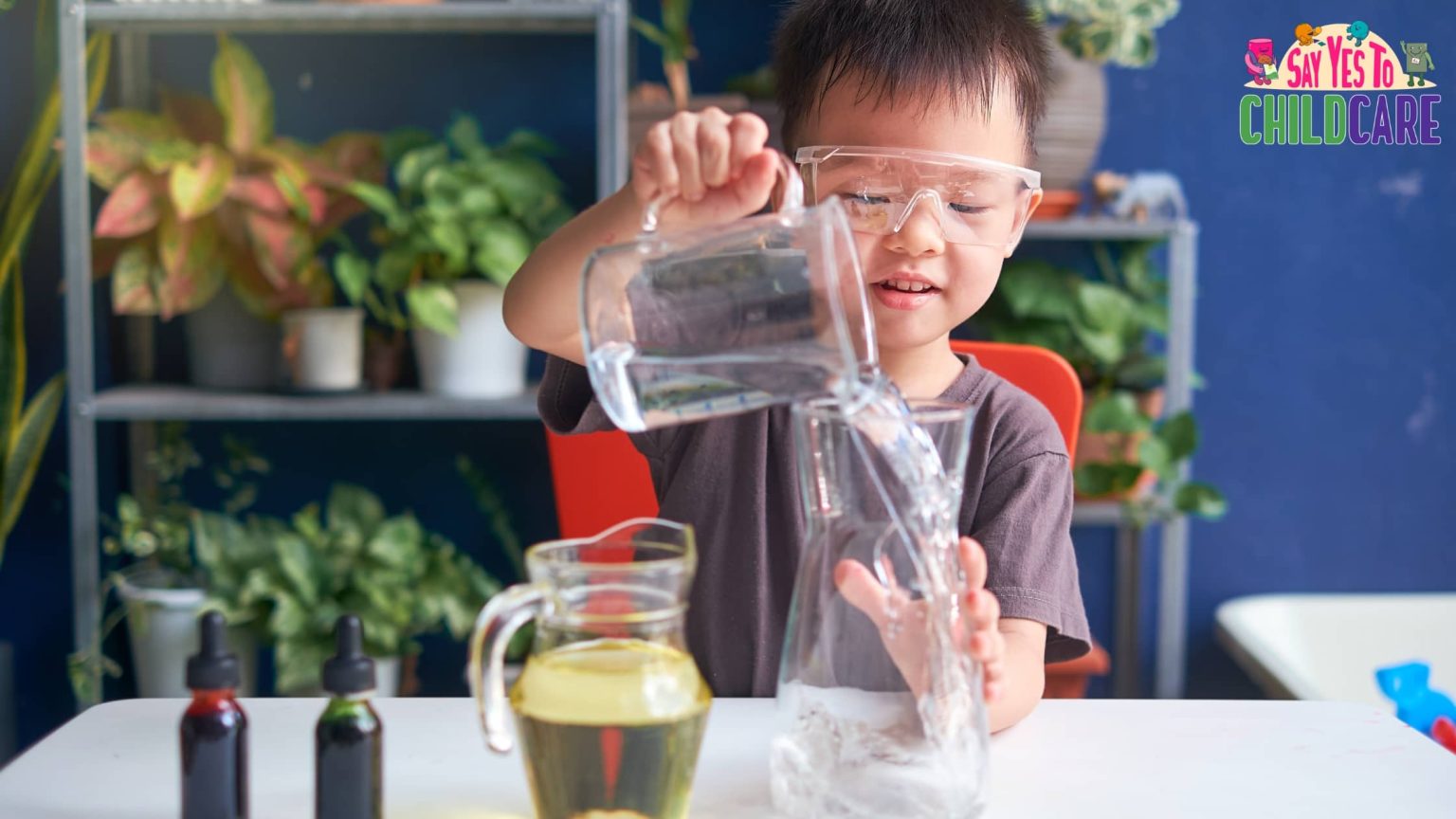
Encouraging Sensory Play: Let babies and toddlers touch, smell, see, hear, and even taste safe objects. Water play, sand, and natural materials like leaves and stones introduce concepts like texture, temperature, and cause and effect.
Talking About Nature: Point out the changes in weather, the growth of plants, or the sounds of birds. Naming these experiences helps build vocabulary and an understanding of natural phenomena.
Simple Experiments: Toddlers might enjoy watching what sinks or floats in water or how ice melts. These observations introduce basic scientific ideas like properties of materials and change.
Science Activities for 2-Year-Olds
As children grow into their 2s, they can begin to explore more structured science activities, such as:
Planting Seeds: Watching seeds sprout and grow teaches children about life cycles and care.
Exploring Magnets: Using magnets to attract or repel objects encourages inquiry and prediction.
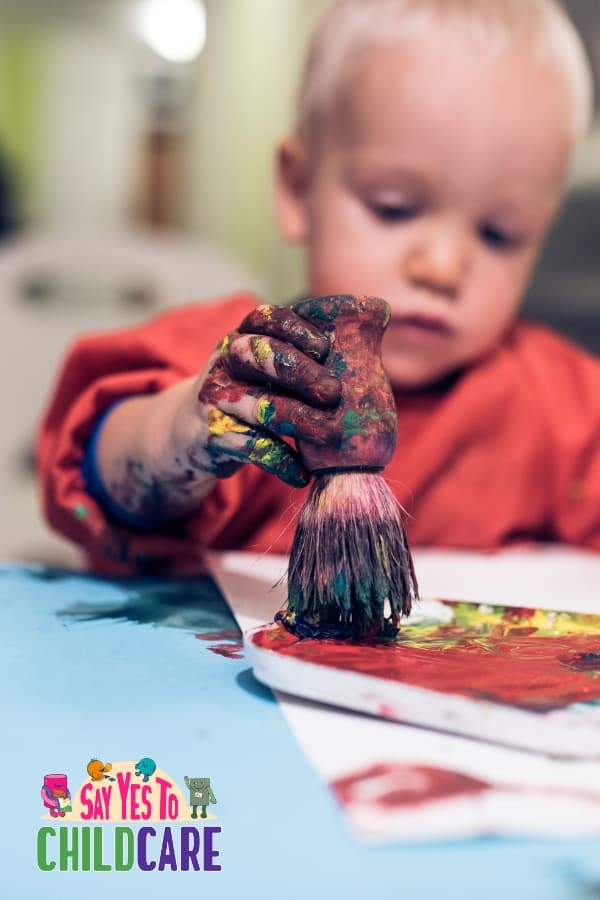
Mixing Colors: Combining different colors of water or paint introduces experimentation and observation.
The Role of Caregivers and Teachers
Adults play a key role in nurturing scientific thinking by being curious alongside children. Asking open-ended questions like “What do you notice?” or “What do you think will happen next?” encourages children to think deeply and express their ideas. Celebrating discoveries, no matter how small, helps build confidence and a positive attitude toward learning.
Supporting Early Science at Home and in Childcare
Families and childcare providers can work together to provide rich science experiences by sharing ideas and resources. Everyday moments—like cooking, gardening, or a walk in the park—can be opportunities for science exploration.
At Say Yes To Childcare, we are committed to supporting caregivers with tools and training to bring science into the youngest classrooms, helping children develop a lifelong love of learning.